
✕


GAC Group's Integrated Battery Value Chain in China
 2026-06-01
About Material Recycling and the Circular Battery Value Chain
Material Recycling refers to the processing of end-of-life batteries to recover reusable materials. End-of-life batteries are collected, dismantled and treated through a combination of mechanical and hydrometallurgical methods. Through these processes, the battery materials are broken down, separated, and refined, enabling the extraction of critical materials—including lithium carbonate and iron phosphate—for subsequent reuse in battery material production.
Circular Battery Value Chain refers to a battery value-chain model in which materials recovered from end-of-life batteries are processed for reuse as raw materials in battery production. This connects battery production, use, end-of-life collection and recycling, and the reuse of recovered materials in battery production.
~~~~~~~~~~~~~~~~~~~~~~~~~~~~~~~~~~~~~~~~~~~~~~~~~~~~~~~~~~~~~~~~~~~~~~~~~~~~~~~~~~~~~~~~~~~~~~~~~~~~~~~
GAC Group's Integrated Battery Value Chain in China
Guided by China's dual carbon goals and its national strategy for an all-round transformation of the energy mix, GAC Group has built an integrated new energy industry value chain in China centered on electricity and batteries. The value chain covers lithium mining, raw material production of lithium battery, battery production, energy storage services, battery charging & swapping services, battery leasing, and battery recycling and utilization.
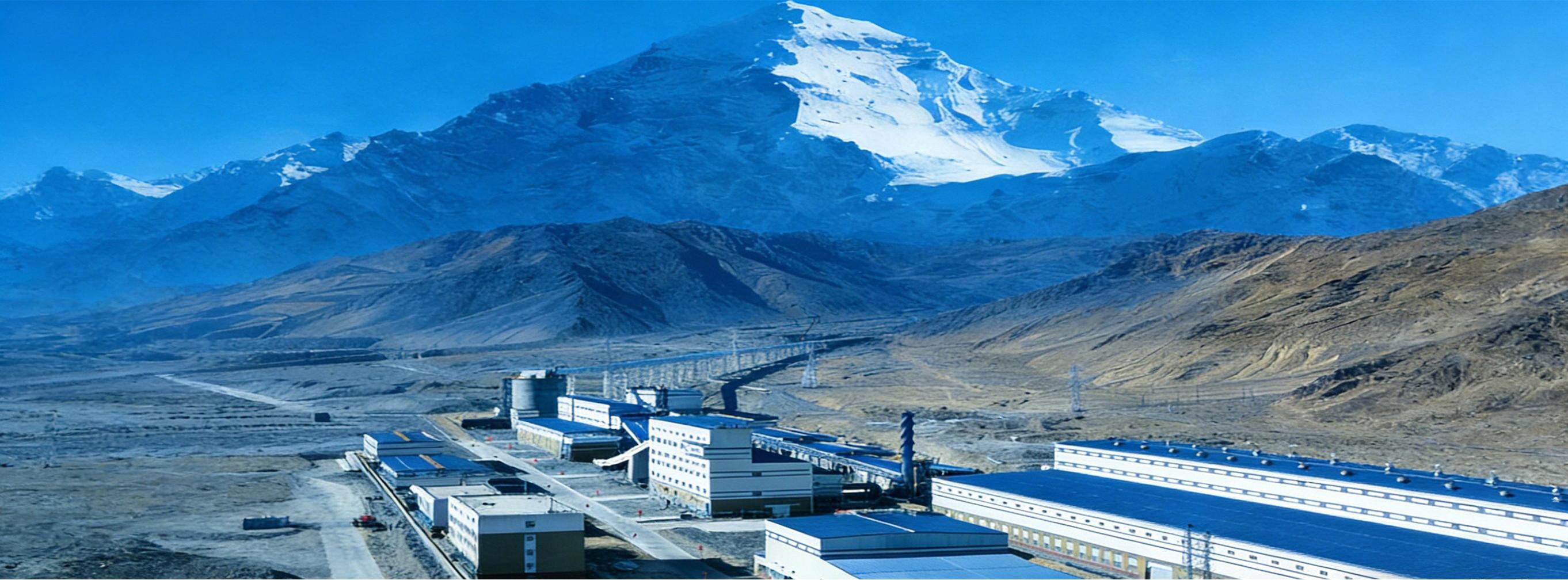
In the mining and battery raw materials segment, GAC Group has invested in lithium mining and smelting activities. In April 2025, it completed a strategic investment in a lithium mining project in China to support the security and price stability of its battery supply chain.

In the battery production segment, GAC Group has expanded from joint-venture battery production to include its own battery development and manufacturing capabilities, covering battery R&D, manufacturing and volume production. Its battery production activities cover both power batteries and energy-storage batteries. CATL GAC POWER BATTERY Co., Ltd., a joint venture between GAC and CATL, operates battery production facilities with a total capacity of 18 GWh. INPOW BATTERY TECHNOLOGY CO., LTD. operates an 18 GWh production line using GAC Group's battery technology, while YOUCHUANG BATTERY (BAZHOU) CO., LTD. operates a 0.5 GWh energy-storage battery production line. These battery-production capabilities support GAC's vehicle production and related battery services.

In the battery leasing segment, the business of GAC Group covers dedicated battery leasing services for passenger and commercial vehicles. GAC Group offers six flexible service models for users: Buying, with multi-category channels for battery purchase; Selling, enabling two-way electricity trading through a virtual power grid platform; Leasing, with diversified, modular battery leasing services; Repurchasing, with value-guaranteed battery buy-back; Long-range, matching long-range battery solutions to users' travel needs; and Short-range, matching short-range battery solutions to users' travel needs.
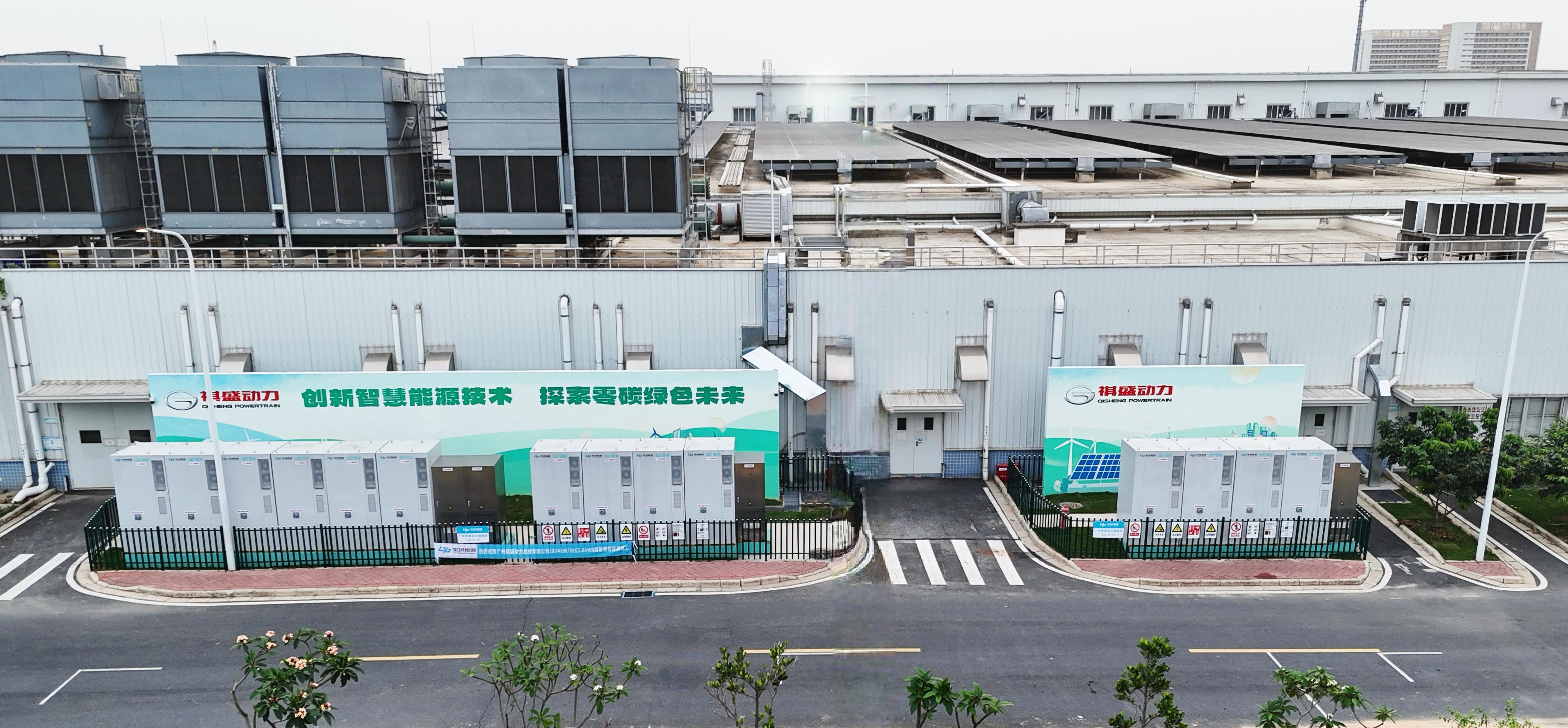
In the energy storage segment, GAC Group provides supercharging service, and integrated photovoltaic, energy storage and charging solutions, and has developed a V2G microgrid demonstration project in China. GAC Group's supercharging stations support a 1,000 V high-voltage platform with a maximum charging power of 720 kW per charging connector and a maximum current of 800 A. Supported by a smart cloud-based management platform, charging operations can be intelligently regulated and automated, enhancing the user charging experience. Notably, GAC Group's AC and DC charging piles were the first in China to obtain dual 3C certification (China Compulsory Certification).
By coordinating the cloud (GAC Energy Cloud) with the edge (EMS), GAC Group’s integrated photovoltaic, energy storage and charging solutions link photovoltaic generation and energy storage dynamically. Photovoltaic power is supplied preferentially to charging piles, while surplus power is used to charge the storage system. This lowers the per-kWh cost of each station, while the flexible storage-based expansion increases station service capacity. These solutions have already been deployed in several business parks, industrial plants and other scenarios in China.
The V2G microgrid demonstration project in China built by GAC Group has a discharge power of 3.72 MW, an average daily discharge of about 12,000 kWh, and a maximum single-day discharge of more than 20,000 kWh.
In addition, GAC Group has established an extensive charging network in China. GAC Group's charging stations now cover 31 provincial-level regions and 232 prefecture-level regions, comprising 2,471 self-operated charging stations and 30,835 self-operated charging points. The network also includes more than 180,000 partner charging stations and 1.83 million partner charging points.
In the battery swapping service segment, GAC Group's in-house battery swap product supports battery replacement in approximately two minutes and is compatible with battery packs and operating platforms across multiple platforms.

In the battery recycling and utilization segment, retired batteries removed from the vehicle undergo professional in-house testing. Batteries that meet the required conditions may undergo compliant comprehensive utilization, while end-of-life batteries that are no longer suitable for reuse are dismantled for material recovery. Materials recovered through this process include lithium carbonate and iron phosphate, which can be used as raw materials for new battery production.
In March 2026, Guangzhou U&M Recycle Technology Co., Ltd., an entity partially invested in by GAC Group, commenced operations as Guangzhou’s first facility dedicated to spent battery dismantling and material regeneration. Subsequently, in June 2026, Fujian Youli New Energy Co., Ltd., also partially backed by GAC Group, in Longyan, Fujian Province, began operations. Together, these facilities provided battery dismantling and material recovery capabilities in South and East China.

